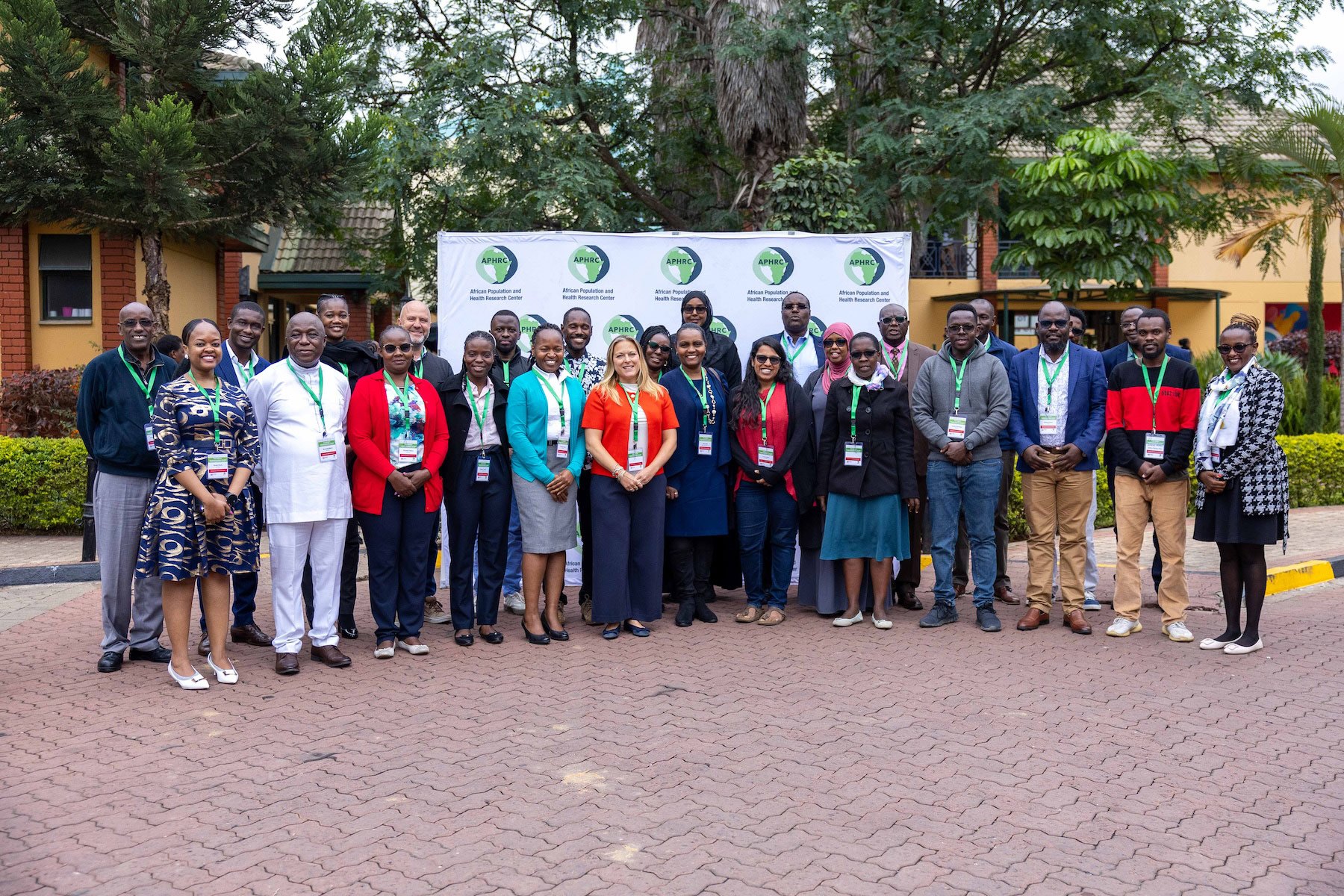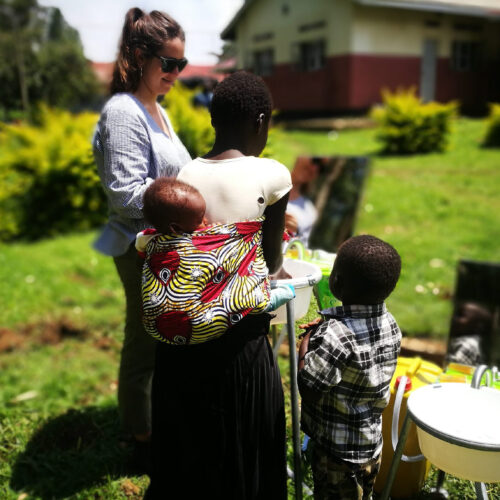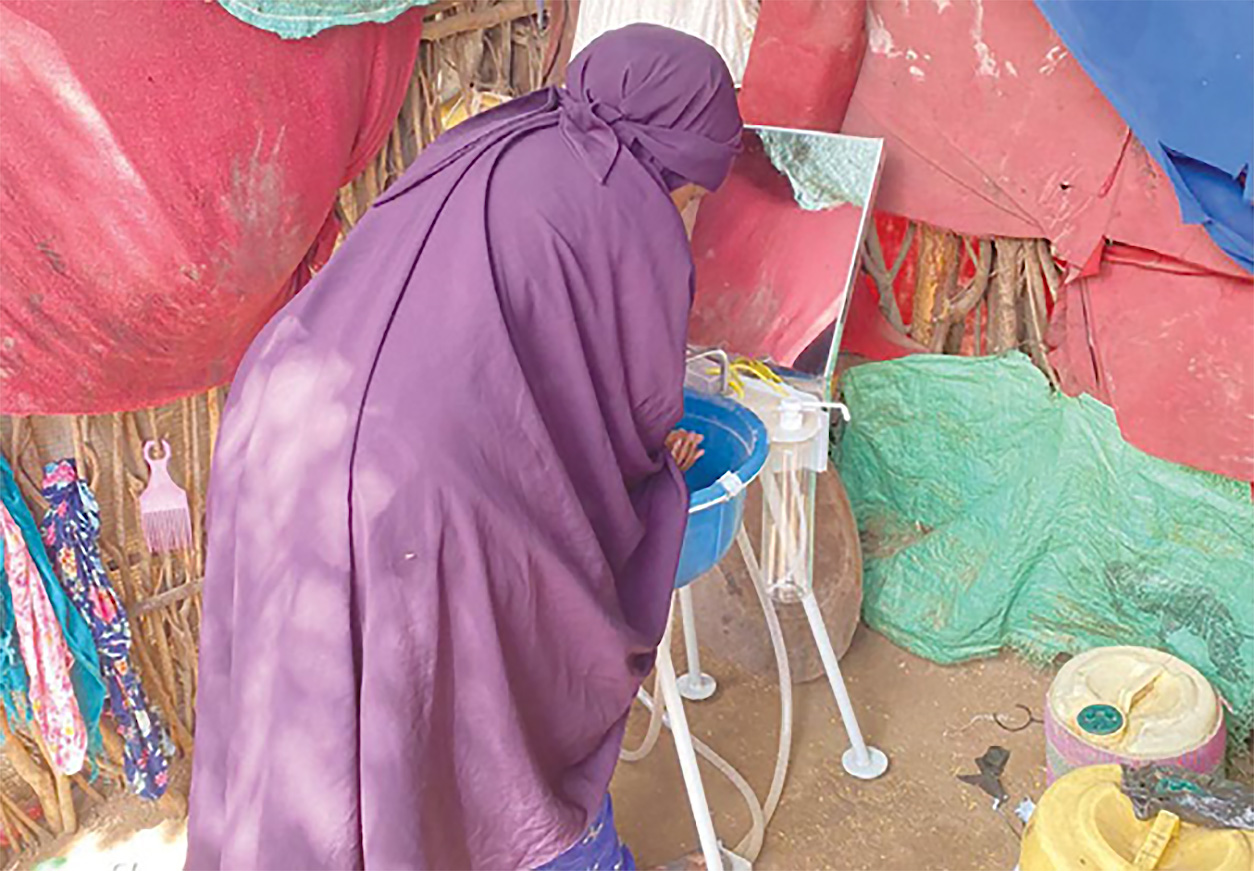
It’s January 2026 and the Jengu effectiveness study funded by Elrha and conducted by the Kenya, Uganda and British Red Cross Societies with Arup and the APHRC and LSHTM as the Principal research investigators is complete! The study sought to understand how locally made Jengu handwashing facilities effected hand washing with soap among crisis-affected populations in the Dadaab Refugee Camp in Kenya and the Kyangwali Refugee Settlement in Uganda.
Overall, 300 Jengu units of different sizes were manufactured locally with 150 units positively received by both communities. They provided a boost to handwashing with soap, contributing to improved health outcomes. In both settings, self-reported diarrhea rates declined overall, more significantly in the intervention groups: from 15% to 5% in Dadaab; and from 20% to 6%, in Kyangwali.
The project showed the integration of Jengu’s ‘emotional motivators’ (the expansive mirror, attractive design features and scented soap) show promise as an acceptable, desirable intervention for crisis- affected populations. The study also proved invaluable to test local production of the Jengu units in Kenya. The study also proved invaluable to test local production of the Jengu units in Kenya. APHRC’s Outcomes and Recommendations report describes Jengu as a viable solution for handwashing with soap in humanitarian settings. A key learning for the Jengu team was to change the recycled plastic basin sourced locally in Kenya for the more durable, centrally sourced polypropylene used for previous projects, or the super durable stainless-steel basin trialed previously. This will increase long-term durability and effectiveness. Behaviour change messaging was also recommended to ensure handwashing with soap is prioritised over water alone.
With these adaptations to suit local or central production, the Jengu units can be an effective solution for handwashing with soap in humanitarian settings.